
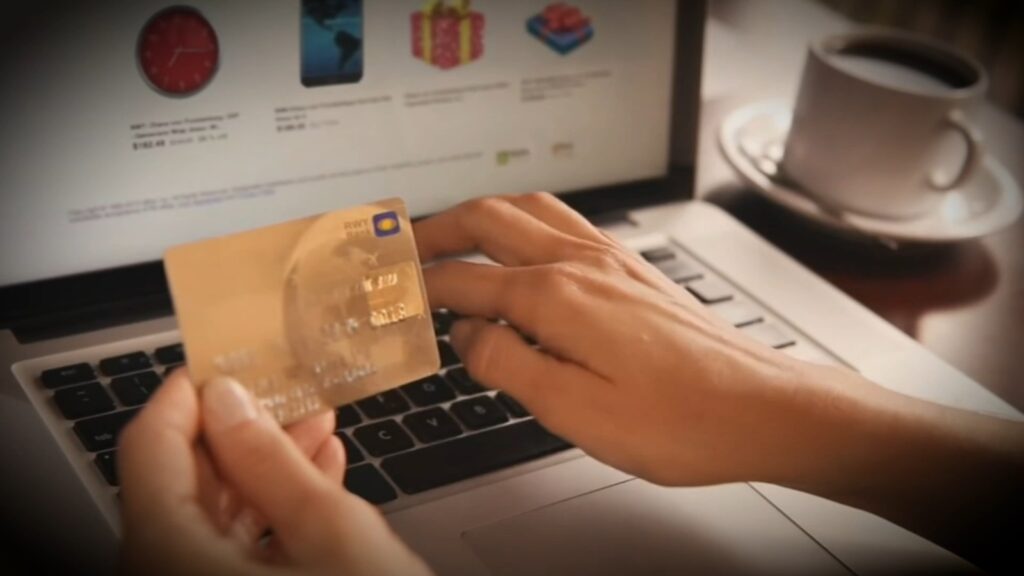
It’s the holiday season, and while people are busy shopping for gifts and giving back, scammers are also hard at work, looking to take advantage of distracted shoppers and businesses.
With holiday spending projected to top $1 trillion, the Better Business Bureau (BBB) is warning consumers about 12 common scams to watch out for this season.
1. Misleading Social Media Ads
You’ve probably seen products pop up in your social media feed. Before you click “buy,” do your homework. BBB says it gets daily reports of people paying for items they never receive, getting stuck with unexpected charges after signing up for a “free trial,” or receiving counterfeit or incorrect items.
2. Social Media Gift Exchanges
This scam comes back every year in different forms. From “Secret Sister” to wine or bourbon exchanges, $10 gift swaps, or even “Secret Santa Dog” exchanges, these schemes trick people into sharing personal information and sending money or gifts to strangers.
3. Holiday Apps
Apps that let kids chat with Santa, track his sleigh, or light the menorah can be fun, but make sure to check their privacy policies. Some free apps may collect more data than you’d expect or even contain malware.
4. Fake Toll Collection Texts
If you’re hitting the road for the holidays, beware of fake toll fee texts. Scammers impersonate toll collection services, claiming you owe a fee and providing a fake payment link. Always verify outstanding balances directly with the real agency.
5. Free Gift Cards
Scammers often send phishing emails or pop-up ads claiming you’ve won a free gift card. Don’t open unsolicited emails or click on suspicious links. Mark them as spam and delete them.
6. Temporary Holiday Jobs
Looking for seasonal work? Be cautious of job offers that sound too good to be true. These scams often aim to steal personal information or money from job seekers.
7. Imposter Scams
Fake websites and social media accounts are common during the holidays. Scammers use these to trick people into downloading malware, making useless purchases, or sharing private information.
8. Fake Charities
Be careful when donating to unfamiliar organizations. Scammers often pose as charities or individuals in need. Stick to reputable charities and donate directly through their official websites using a credit card for added security.
9. Fake Shipping Notifications
With more online shopping comes more shipping notifications. Scammers send phishing emails or texts with fake delivery updates, hoping you’ll click on a malicious link. Always use the original confirmation email or text from the retailer.
10. Advent Calendars
Advent calendars are popular, but BBB has received reports of scams involving undelivered or poor-quality calendars.
11. Holiday Wish List Items
Low-priced luxury goods, designer clothing, and electronics are often counterfeit. The same goes for popular toys sold by resellers on platforms like Facebook Marketplace.
12. Puppy Scams
Thinking of adding a furry friend to your family? Be cautious-80% of online pet ads may be fake. Always meet the pet in person before buying.
What to do If you’re scammed? If you fall victim to a scam, contact your credit card company to see what protections are available and how they can assist you.
Copyright © 2025 WTVD-TV. All Rights Reserved.

Duncan Meyers, founder of BDJOBSTODAY, shares expert career advice, job market insights, and practical tips to help professionals grow and succeed in their careers.